The gravel crunches under your boots as you walk toward that Orange Sunshine Subaru Crosstrek sitting at the back of the lot. On the surface, it is perfect. The paint is waxed to a mirror shine, the tires are dressed in deep black silicone, and the interior smells faintly of a vanilla-scented ozone treatment. You feel that familiar pull of excitement, the urge to sign the papers and head straight for the nearest trailhead. But there is a ghost in the machine that most buyers never think to summon, hidden away beneath the plastic cladding and the rhythmic thrum of the Boxer engine.
You pop the hood, the metal warm against your palms. While other shoppers are busy checking the oil level or peering at the brake pads, you are looking for something far more specific. You are searching for a liquid history, a chemical record of every mountain pass climbed and every heavy trailer towed. Most people treat a transmission like a black box—something that either works or it doesn’t—but a seasoned mechanic knows that the fluid is the blood of the drivetrain, and it never lies about its past.
There is a specific silence that falls when you find the access point for the CVT fluid. It is a moment of mechanical truth. As you draw the sample, you aren’t just looking for ‘clean’ or ‘dirty.’ You are looking for a very specific shade of amber that separates a reliable companion from a looming four-thousand-dollar repair bill. In the high-demand world of used Subarus, where prices remain stubbornly high, this single act of mechanical voyeurism is your only real protection against a bad investment.
The Tightrope Walker: Understanding the CVT Pulse
To understand why fluid color matters, you have to visualize the Continuously Variable Transmission as a high-stakes tightrope walker. Instead of traditional gears that lock together like puzzle pieces, your Crosstrek uses a heavy-duty steel chain and two pulleys that constantly change shape. It is a dance of extreme friction and heat. The fluid isn’t just a lubricant; it is a hydraulic medium that must be strong enough to prevent a steel belt from sliding against smooth metal under immense pressure.
When that fluid breaks down, the ‘tightrope walker’ begins to wobble. If the internal chain slips even a fraction of a millimeter, it generates a microscopic spray of metal and a sudden, intense spike in temperature. This doesn’t usually cause a dashboard light to flicker—at least not yet. Instead, it slowly bakes the fluid, changing its molecular structure and its color. If you follow the dealer’s ‘lifetime fluid’ myth, you are essentially asking that walker to perform without a safety net.
Elias’s Secret: The Smell of Burnt Honey
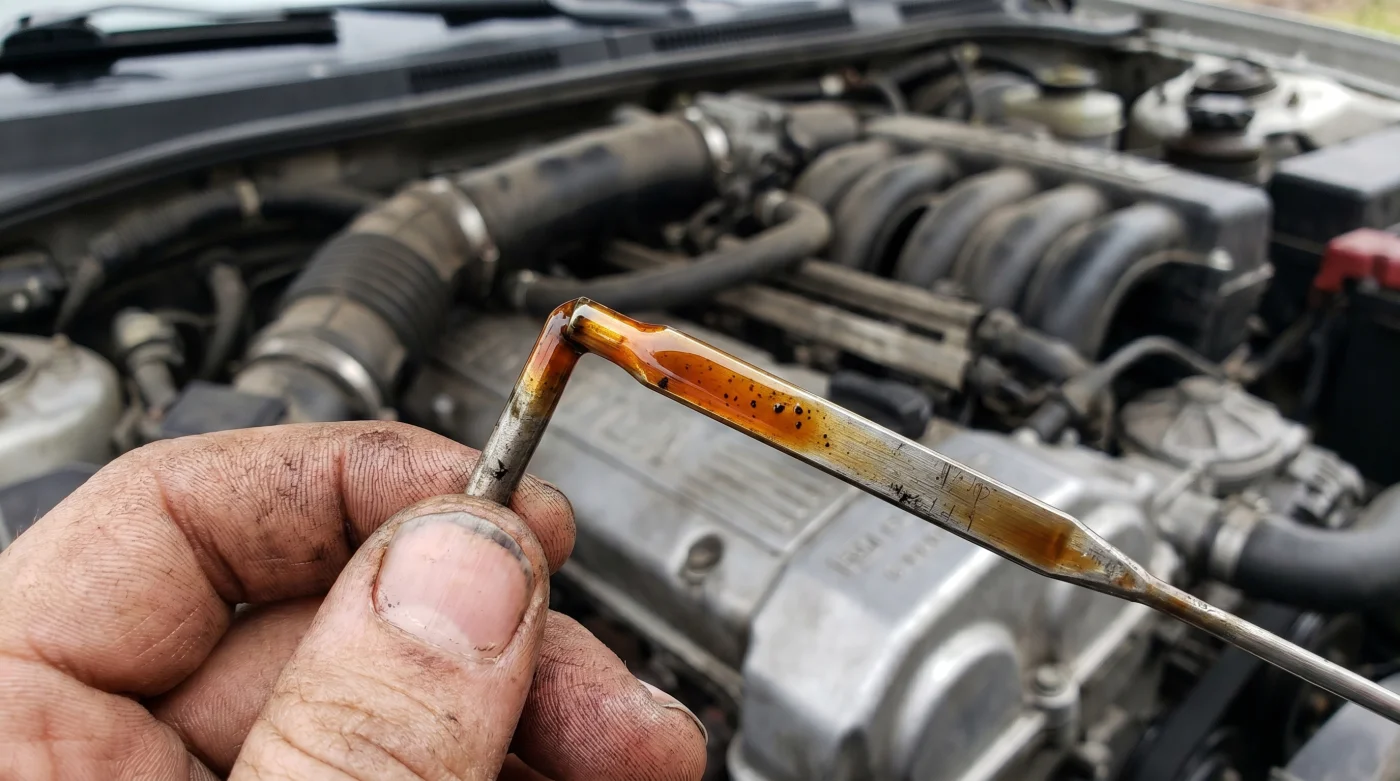
Elias, a 52-year-old master technician who has spent three decades wrenching in the rainy corners of the Pacific Northwest, once told me that he could diagnose a Subaru’s health with his eyes closed. He would pull the dipstick, hold it near his nose, and wait. ‘A healthy CVT smells like nothing at all, maybe a bit of sweet chemicals,’ he’d say, rubbing a drop of amber between his thumb and forefinger. ‘But a dying one? That smells like a campfire built with old tires.’
- Ford Maverick inventory surges hide persistent dealer markups on hybrid trims
- Jeep Wrangler 4xe battery weight proves full electrification ruins off-road balance
- Genesis G70 depreciation mechanics provide exact German luxury performance under budget
- Chevy Tahoe LS trims hide exact premium suspension without the markup
- Ford Bronco hardtop washing mistakes permanently destroy fiberglass resale value
Elias taught me that the Crosstrek’s high resale value often masks the sins of the previous owner. If they used the car to tow a small boat or spent their winters plowing through deep, heavy snow without changing the fluid, the evidence is right there on the stick. He called it the ‘Amber Warning,’ a silent signal that the internal steel chain has already begun its slow, terminal slide. It is a shared secret among those who have seen these units opened up on a workbench.
Reading the Amber Tea Leaves: Three Buyer Profiles
Every used Crosstrek has a story, and the fluid color tells you which chapter you are currently reading. Depending on how you plan to use the car, the state of the fluid should dictate your willingness to negotiate or walk away entirely. Not every imperfection is a deal-breaker, but every shade has a specific price tag attached to it in future maintenance.
For the Daily Commuter: If you are looking for a reliable car to get you to the office, the fluid should be a translucent, pale green or a light straw color. This indicates a well-maintained unit that hasn’t been pushed to its thermal limits. If it looks like over-steeped green tea, you are in the clear for another 30,000 miles of city driving.
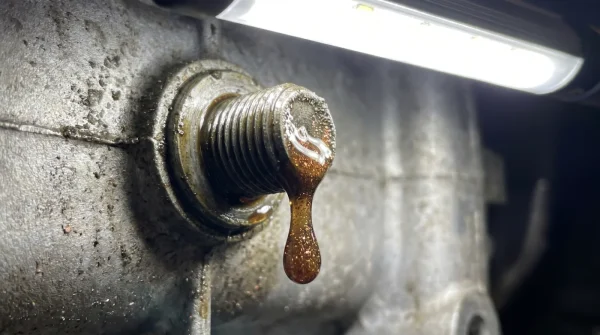
For the Weekend Overlander: You need to be more critical. If the fluid has turned into a distinct burnt amber, similar to the color of dark maple syrup, the car has been worked hard. For an off-road enthusiast, this color is a red flag. It suggests the fluid has lost its ‘shear stability,’ meaning it may no longer protect the pulleys during steep inclines or heavy loads.
For the Budget Hunter: You might find a deal on a Crosstrek with dark fluid, but you must factor in a high-pressure flush and filter change immediately. If the fluid is dark brown and opaque like black coffee, no amount of ‘budgeting’ will save it. At that point, the friction material is already suspended in the oil, and changing it might actually cause the transmission to fail faster.
The Tactical Inspection: A Mindful Step-by-Step
Checking the fluid in a Crosstrek requires a bit of finesse, as many models lack a traditional top-side dipstick. However, even if you have to peek through the fill hole or ask a mechanic to draw a sample during a pre-purchase inspection, the process must be meticulous. You are looking for more than just color; you are looking for the ‘tremble’ of the fluid’s consistency.
- Wait for the engine to reach operating temperature; the fluid expands and reveals its true clarity when warm.
- Wipe the sample onto a pure white paper towel. This is the only way to see the true hue without the interference of metal surfaces.
- Hold the towel up to the sun. You are looking for a clear, translucent quality. If the amber looks ‘cloudy’ or ‘muddy,’ the internal clutches are shedding.
- Look for ‘glitter.’ In the direct sunlight, tiny metallic flakes in the amber fluid are a sign of chain-to-pulley wear.
The fluid should feel like liquid silk between your fingers. If it feels gritty, like it contains a microscopic pinch of silt, the damage is already internal. This is the moment where you put the dipstick back, wipe your hands, and decide if the car’s aesthetic beauty is worth the mechanical heartache that lies beneath.
The Bigger Picture: Peace in the Details
In a world where we are often told to trust the sensors and the dashboard lights, there is something deeply grounding about checking the fluid yourself. It is an act of mindful car ownership. By looking for that specific burnt amber tell, you are taking control of a narrative that dealerships often try to gloss over with ‘Certified’ stickers and easy financing terms.
When you finally find that Crosstrek with the pale, healthy fluid, the drive home feels different. You aren’t wondering if that slight shudder at the stoplight is a ghost or a feature. You know the integrity of the machine because you’ve seen its lifeblood. Mastery of this single, small detail doesn’t just save you money; it buys you the freedom to drive into the mountains with a quiet mind, knowing your vehicle is as ready for the adventure as you are.
“The dipstick is the only honest witness in a used car transaction; listen to what the color is trying to tell you.”
| Fluid Color | Mechanical Meaning | Action for Buyer |
|---|---|---|
| Translucent Green/Straw | Healthy, high-viscosity protection. | Safe to buy; maintain every 30k miles. |
| Burnt Amber (Maple Syrup) | Heat-stressed; beginning of chain slip. | Negotiate price; immediate fluid swap needed. |
| Opaque Brown/Black | Severe oxidation and internal wear. | Walk away; CVT failure is imminent. |
Common Inspection Questions
1. Can I just trust the ‘Lifetime Fluid’ rating from the manual?
No. In the US, ‘lifetime’ usually refers to the life of the warranty, not the car. For a Crosstrek you want to keep past 100k miles, the fluid needs attention.2. What if the fluid smells slightly sweet?
A faint chemical sweetness is normal for Subaru CVT fluid. It is the ‘toasted’ or ‘burnt’ smell you need to fear.3. Is it expensive to change the fluid if the color is slightly off?
Expect to pay between $300 and $500 at a specialized shop. It is a complex process involving specific temperature windows, but it’s cheaper than a new transmission.4. Does the fluid color change naturally with age?
Yes, it will darken slightly over time, but it should always remain translucent. Cloudiness is the true enemy.5. Will a CVT fail immediately if the fluid is burnt amber?
Not necessarily, but it is the first sign that the ‘clock’ is ticking. It indicates that the fluid’s ability to manage heat has been compromised.