The air inside a specialized garage in mid-winter smells of sulfur and cold steel. You sit in the waiting room, the distant hum of an impact wrench punctuating the silence, while your Subaru Forester sits on the lift. To the untrained ear, the faint ‘shudder’ you felt during a tight U-turn at the grocery store was just the tires skipping on pavement. But to those who spend their lives under these chassis, that sensation is the first murmur of a dry, frustrated center differential trying to breathe through a pillow of degraded oil.
Standard logic suggests you follow the thick booklet in your glovebox, which politely mentions a simple inspection at sixty thousand miles. In the pristine world of laboratory testing, that might suffice. However, in the salt-dusted reality of American roads, where stop-and-go traffic and varying elevations put constant heat-cycling pressure on the Symmetrical All-Wheel Drive system, waiting for the sixty-thousand-mile mark is a gamble with a three-thousand-dollar stake.
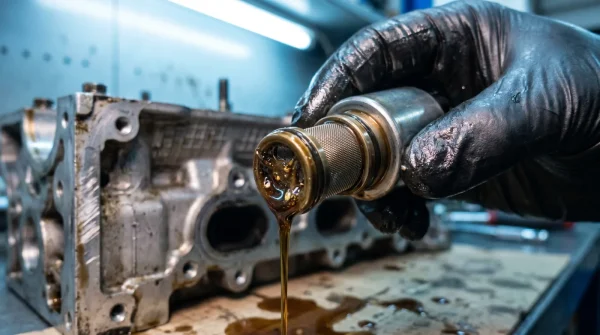
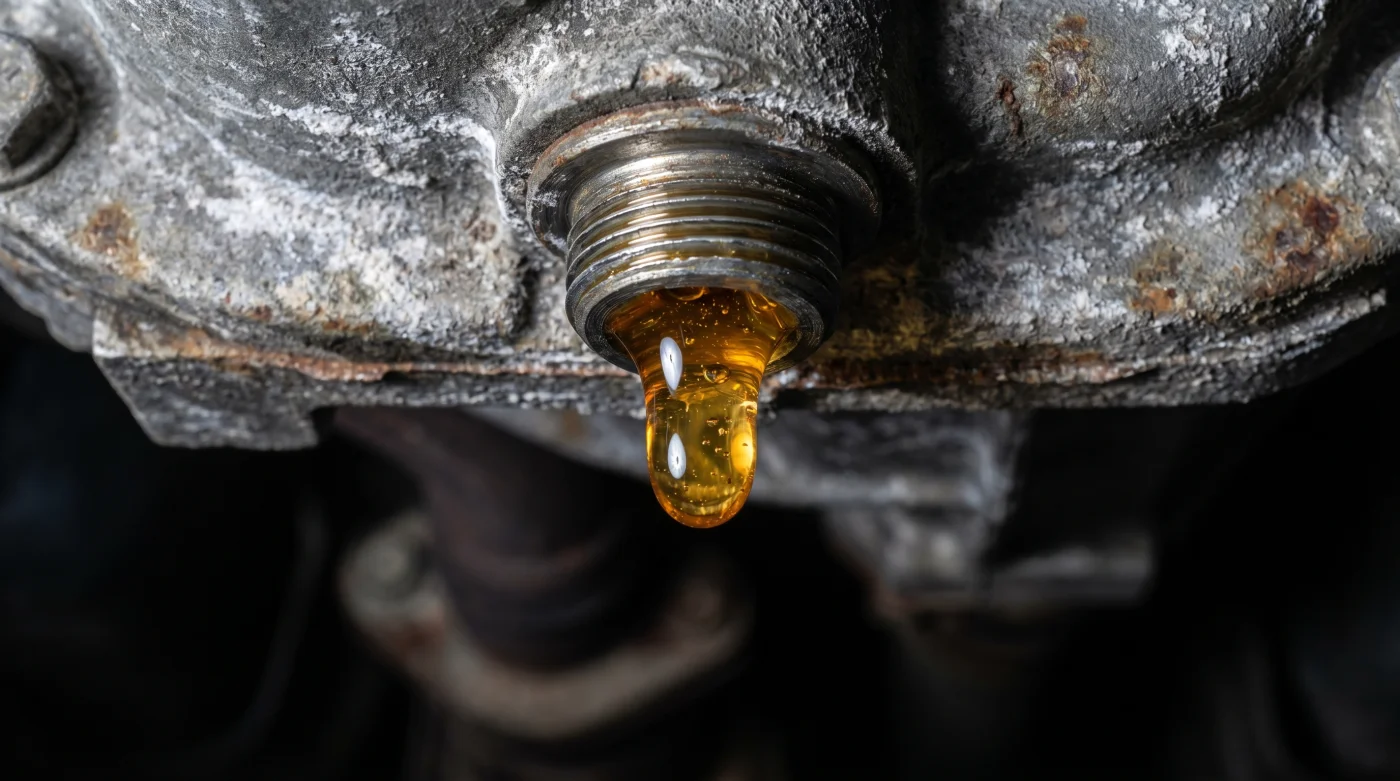
The fluid draining from a thirty-thousand-mile differential shouldn’t look like ink; it should have the translucent amber glow of dark honey. When it comes out black and smelling of burnt toast, you aren’t just looking at old oil—you are looking at the shaved-off longevity of your vehicle’s most expensive mechanical heart. Choosing to flush this fluid early isn’t about being over-cautious; it is about acknowledging that metal-on-metal harmony requires a clean medium.
The Ten-Year Math: Why Early Intervention Wins
Think of your Subaru’s drivetrain not as a machine, but as a long-distance runner. If you wait until the runner is dehydrated to provide water, the damage to the joints is already done. The ‘Perspective Shift’ here is moving away from reactive maintenance and toward protecting the mechanical integrity from day one. By the time the official manual suggests you look at the fluid, the friction modifiers have often broken down, leaving the clutch packs in the center differential to grind against one another.
- Kia Telluride highway wind noise reveals a specific weatherstripping flaw the Hyundai Palisade avoids
- Mazda CX-5 brake wear after forty thousand miles exposes a silent auto-hold calibration error
- 2026 Chevy Silverado EV testing exposes a harsh suspension sag under half payload capacity
- Toyota Camry hybrid redesign hides a massive acoustic glass upgrade blocking highway noise
- Honda CR-V air conditioning failures require a five-dollar relay swap instead of full replacement
Over a ten-year ownership cycle, the math is startlingly simple. A differential fluid service typically costs around one hundred and fifty dollars at a reputable independent shop. If you perform this every thirty thousand miles, you will have spent six hundred dollars by the time you hit the one-hundred-thousand-mile mark. Contrast this with the catastrophic three-thousand-dollar bill for a center differential bind and the subsequent labor, and the ‘early’ service pays for itself five times over.
The Mechanic’s Secret: Lessons from the Lift
Gary, a 58-year-old lead technician in a high-volume shop in Maine, has seen the ‘Forester Bind’ more times than he can count. He often speaks of a regular customer, a schoolteacher named Sarah, who brought her 2018 Forester in with 70,000 miles on the clock, complaining of a ‘tightness’ when parking. The fluid that Gary drained was thick with microscopic metallic ‘glitter’—a sign that the internal components were eating themselves from the inside out.
Gary’s secret is simple: gear oil is cheap, but gears are expensive. He notes that while the manufacturer prioritizes ‘low cost of ownership’ figures for the first three years of a lease, the long-term owner must prioritize the actual chemistry of the lubricants. This shared secret among Subaru specialists is what keeps these cars on the road until they hit that coveted quarter-million-mile milestone.
Tailoring Your Maintenance to Your Lifestyle
Not every Forester lives the same life. The way the Symmetrical AWD engages varies based on how you use the pedals and the terrain beneath your tires. Understanding your specific operating environment changes the urgency of your service intervals.
- The Urban Commuter: Frequent short trips mean the fluid rarely reaches a steady operating temperature, leading to moisture buildup. Flush every 30,000 miles to prevent emulsification.
- The Weekend Overlander: If your tires regularly touch dirt, sand, or water, your differentials are working harder to manage slip. Check for water intrusion and change fluid every 20,000 miles.
- The Mountain Dweller: Sustained climbs and descents generate massive heat in the rear differential. A high-quality synthetic 75W-90 oil is your best defense against thermal breakdown.
The Tactical Toolkit: A Mindful Flush
Performing a differential service is a meditative act of car care. It requires a few specific tools and a deliberate, mess-free approach to ensure the new fluid remains uncontaminated. If you are doing this yourself or instructing a shop, these are the non-negotiables:
- Proper Specification: Only use GL-5 rated 75W-90 gear oil. Using the wrong weight will lead to immediate chatter and eventual failure.
- The ‘Fill-First’ Rule: Always remove the fill plug before the drain plug. If you drain the oil and find the fill plug is seized, your car is stranded.
- Torque Accuracy: Use a calibrated torque wrench for the drain and fill plugs (typically 36.2 ft-lb for the rear) to avoid cracking the aluminum housing.
- Magnet Cleaning: The drain plug is magnetic. Wipe away the ‘sludge’—this is normal wear—until the metal is shiny and clean before re-installing.
Protecting the Harmony of the Drive
Mastering this one small detail—the thirty-thousand-mile flush—transforms your relationship with your vehicle. Instead of wondering when a major repair might sideline your family vacation, you drive with the quiet confidence of mechanical certainty. You aren’t just maintaining a car; you are preserving a tool that grants you access to the world regardless of the weather.
Ultimately, the Forester is beloved because it feels unstoppable. By ignoring the ‘lifetime’ fluid myths and embracing a more traditional, frequent service schedule, you ensure that the symmetrical harmony of the drivetrain remains as fluid and silent as the day you drove it off the lot. True luxury in car ownership isn’t a high-end trim level; it’s the peace of mind that comes from knowing every gear is bathed in fresh, capable protection.
“The cheapest part of any car is the oil; the most expensive part is the metal it was supposed to protect.”
| Maintenance Phase | Action Detail | Added Value |
|---|---|---|
| The 30k Threshold | Full drain and fill of front and rear diffs. | Removes break-in metals before they scour bearings. |
| The 60k Threshold | Second flush and magnet inspection. | Prevents the common ‘center diff bind’ symptoms. |
| The 10-Year Total | ~4 services vs. 1 major repair. | Direct savings of $2,400+ in long-term ownership costs. |
Is ‘lifetime’ fluid actually real? No. In mechanical terms, ‘lifetime’ usually refers to the duration of the powertrain warranty, not the actual life of the vehicle.
What does a failing differential sound like? You will typically hear a low-frequency hum or feel a ‘hopping’ sensation in the steering wheel during tight turns at low speeds.
Can I use any 75W-90 oil? It must be GL-5 rated to handle the extreme pressure and shear forces found in Subaru’s hypoid gears.
Is the front differential harder to service than the rear? Yes, it often requires a Torx T70 bit and a bit more patience to reach the fill plug, but the process is fundamentally the same.
Will early flushes void my warranty? Quite the opposite; keeping meticulous records of preventative maintenance strengthens your position in any warranty claim.