The air in a high-volume dealership has a specific, metallic scent—a mix of industrial carpet cleaner and the ozone from too many laser printers. You sit on a molded plastic chair, clutching a lukewarm coffee, staring at a sticker price that promises “No Haggle.” It feels like a relief, a release from the oily tension of traditional negotiations. But as you watch the salesperson tap at a screen, you aren’t seeing a person finding you a deal; you are watching a machine calculate your tolerance for a convenience tax. The silence of the showroom is heavy, broken only by the hum of the air conditioning and the rhythmic clicking of keyboards processing credit applications.
We have been conditioned to believe that transparency is the same thing as fairness. When you see a firm price on a windshield, your brain exhales. You think the struggle is over because the confrontation has been removed. However, that price is not a reflection of the car’s objective value in the open market; it is a carefully calibrated output from a black-box algorithm designed to protect a massive corporate margin. The “no-haggle” model is a psychological buffer that you pay for, often to the tune of several thousand dollars.
Imagine a loaf of bread that costs more because it was delivered in a shiny truck instead of a plain one. You are still eating the same wheat, but you are subsidizing the logistics and the branding of the delivery vehicle. In the world of national car retailers, you aren’t just buying a Toyota or a Ford; you are **subsidizing a massive logistical machine** that moves thousands of units across state lines to chase regional demand spikes. The price you see is the result of a ticking clock, an inventory aging metric that works against your wallet long before you ever set foot on the lot.
The Ghost in the Machine: How Inventory Aging Dictates Your Price
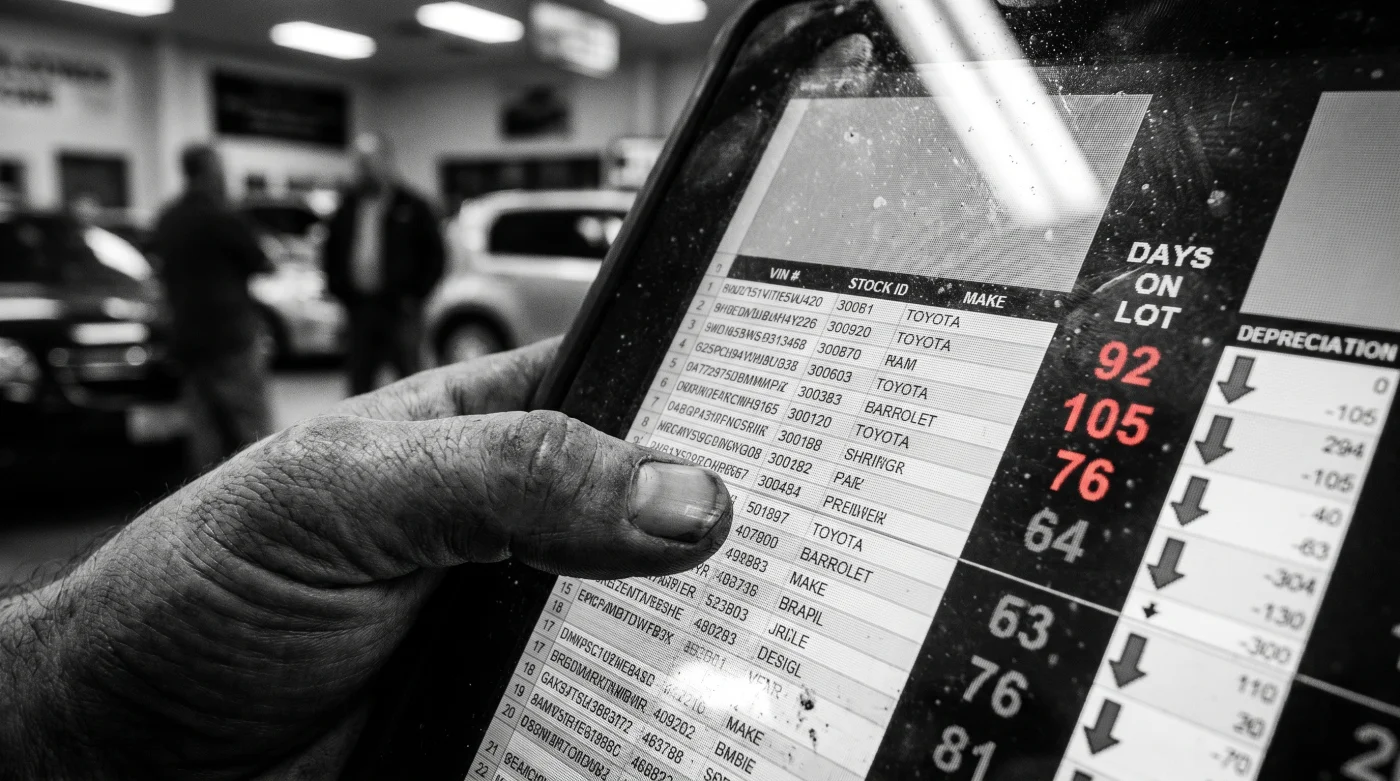
To understand why you’re overpaying, you have to view a used car not as a vehicle, but as a depreciating asset sitting on a high-interest loan. National retailers like CarMax operate on “floor plan” financing—they pay interest on every car every day it sits unsold. To mitigate this, their pricing algorithms use a **geometric decay model**. They set the initial price significantly higher than the market average to capture “early adopters”—people who want a specific color or trim and are willing to pay a premium for the convenience of an immediate, haggle-free transaction.
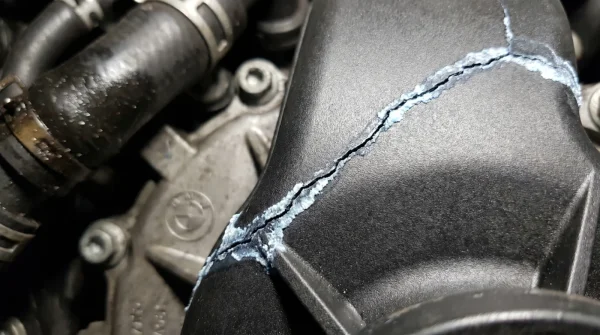
- Chevy Colorado used buyers must inspect the transmission fluid lines for invisible micro-cracks
- Kia EV6 dealership markups expose a massive artificial premium masking actual factory MSRP
- Toyota 4Runner hybrid mechanics prove full EV platforms remain useless for remote overlanding
- Volvo XC90 depreciated luxury models deliver exact German flagship comfort under thirty thousand
- Mazda CX-50 Preferred trim hides the exact same off-road mechanics dealers charge extra for
This initial margin is what I call the “Efficiency Penalty.” The algorithm knows that a certain percentage of buyers will pay $3,000 over true market value just to avoid a thirty-minute argument with a finance manager. If the car doesn’t sell within a 14-day window, the algorithm triggers a minor price drop, but it rarely falls to the level of a wholesale-plus-fee structure. The “no-haggle” price is essentially a **padded insurance policy** for the dealer, ensuring that even if they have to mark it down later, the average profit across all units remains inflated.
The Secret of the 45-Day Marker
Meet David, a 52-year-old former inventory analyst for a major national auto group in Charlotte. David’s entire job was to tweak the “Turn Logic” of the pricing software. He explained to me that the most dangerous time to buy from a no-haggle giant is when a car is “fresh”—within its first ten days on the lot. “We would bake in a 12% to 15% front-end margin on fresh inventory,” David whispered over a black coffee. “The algorithm assumes the buyer’s emotional excitement is at its peak when the ‘New Arrival’ tag is still crisp.”
David’s secret was simple: the “No-Haggle” price is actually the **highest possible price** the market will bear, not the lowest. While you think you’re getting a fair shake because the price is public, you are actually participating in a system-gamed environment where the dealer has already won the negotiation before you arrived. They have negotiated with the data, not with you, and the data always favors the house.
The Broker’s Shield: Flat-Fee Transparency vs. Algorithmic Padding
Contrast this with the world of the independent auto broker. A licensed broker doesn’t own the inventory; they don’t have a “floor plan” to pay off or a massive blue-and-yellow building to maintain. They act as your fiduciary, accessing the same wholesale auctions where the big players buy their stock. While a national retailer might buy a Lexus for $30,000 and price it at $36,000 to cover overhead and algorithm-predicted risks, a broker buys that same Lexus for $30,000 and charges you a **flat service fee**, usually between $500 and $1,000.
This is where the math becomes undeniable. In the broker model, the “aging” of the car is irrelevant to your price. You pay the actual cost of the metal plus a transparent fee for the broker’s time and expertise. You aren’t paying for the dealer’s TV commercials, their multi-state shipping network, or the software developers who wrote the pricing algorithm. You are paying for the car. The broker’s loyalty is to your budget, while the algorithm’s loyalty is to the **corporate quarterly earnings report**.
A Mindful Approach to Deciphering the Value
If you find yourself drawn to the convenience of a national retailer, you must approach the sticker price with a detective’s eye. You are not looking at a final number; you are looking at a snapshot of a corporate strategy. To protect your peace of mind and your bank account, follow these tactical steps to see if the “No-Haggle” price is a trap:
- Check the VIN History: Use a tool like Carfax or AutoCheck to see when the vehicle was last offered for sale. If it was listed at a different location three weeks ago, the algorithm is likely trying to hide an “aging” unit by moving it to a fresh market.
- Cross-Reference Wholesale Data: Use a site like MMR (Manheim Market Report) if you can find a friend with access, or use consumer-facing tools like Black Book. If the gap between the “Clean Wholesale” and the sticker price exceeds $4,000, you are paying a massive convenience tax.
- The 60-Day Rule: If a car has been in the system for more than 60 days, the algorithm is desperate. This is the only time a no-haggle price might approach actual market value, as the dealer is now trying to avoid “lot rot” and mounting interest costs.
Your goal is to become **impervious to the convenience narrative**. A car is a tool, not a lifestyle choice provided by a friendly corporation. When you strip away the branding, you are left with a machine that has a quantifiable wholesale value. Anything you pay above that value plus a reasonable service fee is simply money you are giving away for the privilege of not having to stand up for yourself.
The Bigger Picture: Reclaiming Your Financial Sovereignty
Mastering the nuances of car pricing is about more than just saving a few thousand dollars on a crossover. It is about recognizing when a “system” is designed to nudge you into a suboptimal financial decision through the guise of ease. We live in an era where “frictionless” is marketed as a virtue, but in the world of high-ticket purchases, **friction is your friend**. Friction is where you ask questions, where you compare data, and where you refuse to accept a pre-packaged reality.
Choosing a broker or doing the hard work of private-party negotiation restores the balance of power. It reminds you that you are the one with the capital, and the market should serve you, not the other way around. When you look past the blue-and-yellow signs and see the algorithmic levers moving behind the scenes, you stop being a consumer and start being a steward of your own resources. That sense of control is worth far more than the temporary relief of a “no-haggle” sticker.