The morning air in a 2005 Chevy Cobalt always smelled faintly of recycled polyester and cold industrial plastic. You remember the sound of the 2.2-liter engine turning over—a raspy, unrefined chug—and the tactile sensation of that small, black plastic key sliding into the ignition. It felt thin, almost fragile, between your thumb and forefinger. On a bumpy Michigan backroad, your heavy keychain would dance, a pendulum of metal and souvenir fobs swinging with every vibration of the chassis. You didn’t think much of it then; it was just the rhythm of a daily commute.
Then came the sudden, deathly silence of the engine cutting out at sixty miles per hour. The power steering would vanish, turning the wheel into a leaden weight, and the brake pedal would go stiff and unresponsive under your foot. This wasn’t just a mechanical failure; it was a physical ambush. The ignition switch hadn’t just worn out; it had been flicked off by the very person driving the car. A simple bump, a heavy keyring, or a knee grazing the dash was enough to kill the power, leaving the driver a passenger in a hurtling ghost ship.
We often look back at the Cobalt era as a dark chapter of ‘old GM’ cost-cutting, but the true failure wasn’t just a cheap internal spring. It was a fundamental flaw in geometry—a dashboard that reached out too far and an ignition cylinder placed exactly where a tall driver’s right knee would naturally rest. We like to think we have moved past this, that modern interiors are sanctuaries of ergonomic perfection, but the ghost of the Cobalt is currently whispering through the sleek, minimalist cabins of the newest electric vehicles on the market.
The Geometry of the Knee-Strike Metaphor
To understand the danger, you have to stop thinking of a car interior as a lounge and start seeing it as a physics-constrained survival cell. The Cobalt failed because its designers ignored the ‘strike zone.’ Think of it like wearing a suit that is two sizes too small; you can stand still just fine, but the moment you move to react, the seams rip. In the case of the ignition recall, the ‘seam’ was the connection between the driver’s leg and the key itself. The dashboard was a claustrophobic architecture that crowded the pilot.
The modern shift toward low-profile dashboards and massive, pillar-to-pillar screens is recreating this exact tension. Designers are obsessed with ‘openness,’ but to achieve that airy look, they are pushing the structural cross-beams and steering hardware lower into the footwell. We are seeing a return to the ‘tight suit’ ergonomics where the space between the bottom of the dash and the driver’s patella is shrinking to a razor-thin margin. When you hit a pothole, your body doesn’t stay static; it moves in a violent arc, and that old Cobalt ghost is waiting for your knee to find a hard edge.
- Electric car flush door handles present a terrifying winter freezing trap engineers completely ignore
- Rivian R2 off-road settings expose a hidden suspension calibration trick maximizing highway efficiency
- FMCSA FAS citizens CDL exemption legally bypasses massive commercial insurance premiums for agricultural drivers
- Ford patent filings reveal a roof-mounted backup battery charging system for stranded EVs
- Ford Bronco 2026 chassis leaks reveal an independent suspension ruining rock crawling capabilities
Marcus Thorne, 58, a forensic collision investigator who spent a decade dissecting GM’s ‘Switchgate’ files, remembers the specific horror of the data. ‘It wasn’t just that the switch was weak,’ Marcus told me over a coffee that had gone cold while he sketched steering columns on a napkin. ‘It was that the car was built for a mannequin, not a human being with a set of keys and a heavy winter coat. We found that taller drivers were essentially driving with a loaded gun pointed at their ignition every time they adjusted their seating position.’ This shared secret among safety techs highlights that interior design is often a battle between the stylists who want beauty and the engineers who know how much space a femur needs during an impact.
The Adjustment Layers: Who Is At Risk Today?
The danger isn’t universal; it shifts based on how you use the space. Just as the Cobalt affected certain heights more than others, modern ‘low-cowl’ designs create specific pockets of ergonomic vulnerability that buyers rarely test during a ten-minute drive around the dealership block.
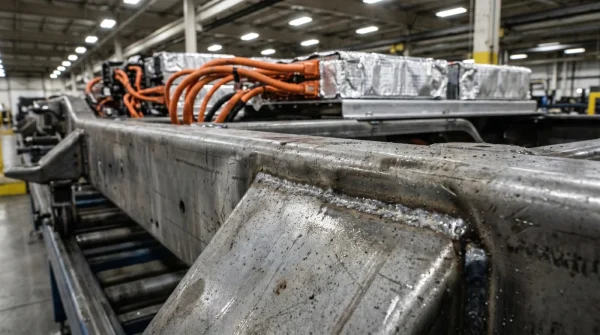
- The Long-Legged Commuter: If you are over six feet tall, your seating position often forces your knees upward and outward. In many new EVs, the high floor—caused by the battery pack underneath—pushes your legs into the ‘impact zone’ of the lower dash trim.
- The Minimalist ‘Digital’ Driver: You might not have a heavy keychain, but the lack of physical buttons means you are constantly reaching. Each reach shifts your hip angle, bringing your knee closer to the steering column housing, which, in many modern cars, is becoming sharper and more intrusive to accommodate automated driving hardware.
- The Entry-Level Buyer: Just like the Cobalt, today’s ‘budget’ models often use harder plastics on the lower dash. In a collision or a sudden maneuver, these materials don’t give; they shatter or act as a blunt force instrument against your shins.
The Body-Space Protocol for Modern Buyers
Protecting yourself requires a mindful, almost clinical approach to your seating position. You cannot trust that the manufacturer has accounted for your specific limb length or the way you sit. You must verify the safety margins yourself before the car ever leaves the lot. Use this tactical checklist to ensure your dashboard isn’t a lurking hazard.
- The Three-Finger Rule: While seated in your natural driving position, there should be at least three vertical fingers of space between the top of your knee and the lowest point of the steering column or dashboard.
- The Pendulum Test: If you still use a physical key, let it hang. If it sits within four inches of your leg, you are in the critical strike zone. Switch to a single key on a lightweight ring immediately.
- The ‘Panic Reach’ Check: While parked, simulate a hard emergency brake. Your body will slide forward slightly. Does your knee hit a hard plastic edge? If so, that car’s interior geometry is a legacy failure in a modern skin.
- The Seat-Base Tilt: Angle the front of your seat cushion upward. This drops your hips and pulls your knees away from the dashboard, creating a buffer of empty air that could save your mobility in a front-end clip.
The Architecture of True Peace of Mind
We are currently witnessing a massive market correction. As GM and other giants face scrutiny for their interior design choices, we are reminded that safety is not just a software update or a suite of sensors. It is the physical reality of space. The Cobalt wasn’t a failure of electronics; it was a failure to respect the human form within a cramped machine. Mastering the layout of your car—understanding exactly where the plastic ends and your body begins—is the only way to ensure the mistakes of 2005 don’t manifest in your 2025 commute.
When we demand ‘minimalist’ interiors, we often trade away the structural clearances that keep us whole during the worst seconds of our lives. True luxury isn’t a screen that stretches from door to door; it is the quiet, invisible clearance that ensures you never have to think about your knees. The next time you climb into a driver’s seat, don’t look at the pixels. Look at the shadows under the steering wheel, and make sure you have room to breathe.
“Design is not just what it looks like and feels like. Design is how it works when the human body is under the duress of sudden deceleration.”
| Key Point | Detail | Added Value for the Reader |
|---|---|---|
| The Cobalt Flaw | Ignition placement in the knee-strike zone. | Understanding that geometry is as vital as mechanical parts. |
| Modern EV Layout | High floors and low cowls due to battery packaging. | Recognizing why new cars feel ‘cramped’ despite looking open. |
| The Strike Zone | The 3-inch gap needed for kinetic movement. | A practical metric to test any vehicle’s safety during a test drive. |
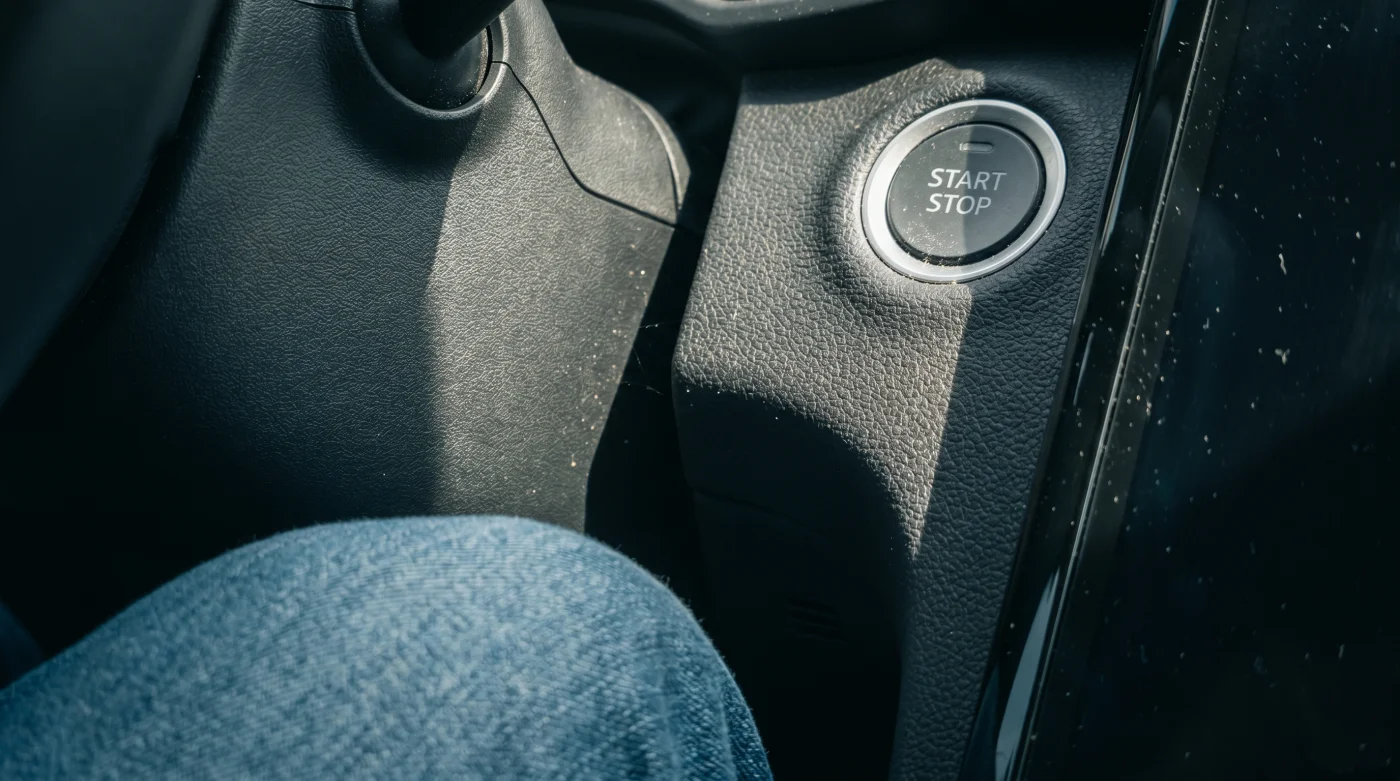
Is my modern car at risk for an ignition-style shutoff? Most modern cars use push-button starts, eliminating the physical ‘key-flick’ risk, but the physical knee strike against the dash still causes significant lower-limb injuries in 40% of front-end collisions.
Why does the Chevy Cobalt matter twenty years later? It serves as the ultimate case study in how cost-cutting in interior geometry can lead to fatal systemic failures that sensors cannot prevent.
Does a minimalist dashboard make a car safer? Not necessarily; removing physical clutter often results in lower structural beams that can intrude into the driver’s legroom during a crash.
How can I tell if my seating position is dangerous? If you cannot comfortably ‘pumping’ the brakes without your thigh brushing the underside of the dash, you are sitting in a hazard zone.
What should I do if my car has a low-profile dash? Focus on seat-base tilt and steering wheel depth. Pulling the telescoping wheel toward you can often create the necessary gap to prevent a knee strike.