The cool morning air in a concrete garage has a distinct weight. You grab the handle of a 10mm socket wrench, its cold steel shocking your palm as you slide underneath the high-riding frame of your truck. There is a quiet stillness to a vehicle at rest, a silent promise of mechanical reliability that you have come to rely on for your daily runs and weekend escapes. But as you loosen the plastic splash shield, the sharp, chemical scent of warm glycol mixed with aged gear oil hits your nose—a sweet, sickly aroma that instantly raises your guard.
You bought your midsize truck because it promised to be bulletproof, an enduring machine built to conquer gravel trails and highway miles alike. But underneath that proud, chiseled hood, a silent, chemical war is raging within your cooling system. Standard factory maintenance schedules suggest you simply flush the system every few years and keep driving without a second thought. Yet, the reality of this specific drivetrain is far more delicate, lurking quietly inside the dark chambers of your radiator.
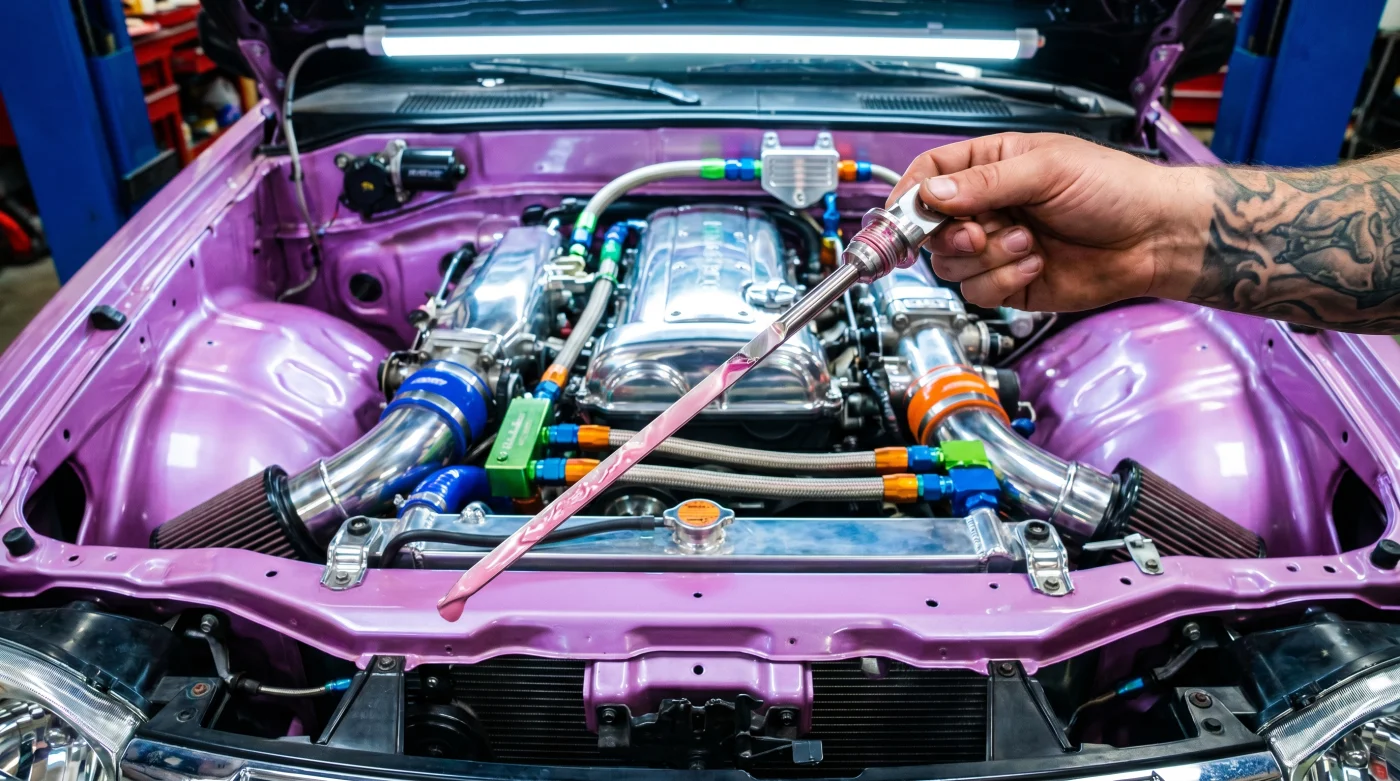
When you pull the metal transmission dipstick to check your fluid level, you expect to see a clean, translucent cherry-red oil that smells faintly of petroleum. Instead, you stare in disbelief at a thick, foaming, light-pink sludge clinging to the metal indicator, looking exactly like a curdled strawberry shake. This is the visual signature of a catastrophic internal rupture, a mechanical failure so notorious that off-road communities have given it its own grim acronym: SMOD.
This curdled mixture is not just dirty fluid; it is a slow-motion heart attack for your automatic gearbox. The water-based engine coolant breaks down the adhesives holding the transmission’s friction plates together, turning your reliable utility vehicle into an expensive driveway ornament. To protect your investment, you must look past the official maintenance manual and address the factory design flaw directly.
The Strawberry Milkshake of Death: When Coolant Turns Toxic
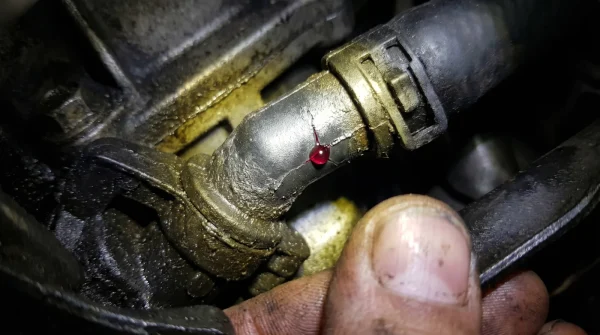
The engineering behind the factory radiator is simple: to save space, the automatic transmission fluid is routed through a thin-walled heat exchanger submerged inside the radiator’s bottom tank. This design relies on a thin barrier of metal to keep two highly incompatible fluids completely isolated. Over years of thermal expansion and contraction, this internal barrier acts like a metal sheet bent back and forth until it cracks under the pressure.
- Carvana vehicle delivery contracts obscure a rigid arbitration clause preventing mechanical failure lawsuits
- BMW 3 Series used inspections require checking the plastic coolant expansion tank seams
- Honda Civic Type R markups collapse revealing untouched inventory gathering heavy lot rot
- Ford Escape Hybrid powertrains retain physical driveshafts preventing catastrophic winter traction loss
- Lexus LS460 depreciated prices grant buyers a heavy magnesium subframe improving highway stability
Once the barrier fails, the cooling system’s higher pressure forces engine coolant directly into the transmission lines. The water-and-glycol mix instantly strips the friction material off your transmission clutch packs, rendering them useless within miles of driving. Understanding this system means realizing that the factory cooling loop is a ticking clock, and bypassing the internal radiator chamber is the only permanent solution.
Expert Context: A Shared Secret from the Shop Floor
Marcus Vance, a fifty-two-year-old transmission specialist based in Flagstaff, Arizona, has spent three decades rebuilding heavy-duty gearboxes and off-road drivetrains. ‘People bring these trucks to me thinking they just have a bad solenoid or a minor slip,’ Marcus says, wiping grease from a worn pair of pliers. ‘I pull the dipstick, show them the pink foam, and have to explain that their five-thousand-dollar transmission is now a pile of scrap metal. It breaks my heart because a fifty-dollar bypass loop prevents the entire disaster.’
Evaluating Your Frontier’s Risk Profile
For the Heavy Hauler: If you regularly tow trailers, carry heavy payloads of lumber, or climb steep mountain passes, your transmission operates at elevated temperatures. This constant heat cycling accelerates the fatigue on the internal radiator welds, making the bypass modification an immediate, high-priority task.
For the Daily Commuter: Even if your truck only sees light highway commuting and weekend grocery runs, you are not immune to the chemistry of corrosion. Short trips prevent the transmission fluid from reaching its ideal operating temperature, allowing moisture to build up inside the lines and slowly degrade the radiator’s internal structure from the inside out.
For the Budget-Minded Savior: If you cannot afford to purchase a brand-new, redesigned aftermarket radiator today, the pure bypass method is a brilliant compromise. By looping the transmission lines directly into the factory auxiliary air-to-oil cooler, you isolate the transmission entirely from the radiator’s water chamber, removing the risk of cross-contamination forever.
The Step-by-Step Bypass Protocol
Performing this modification is a mindful, minimalist action that protects your vehicle’s future. It requires no specialized machinery, only a focused afternoon in your driveway and a few basic hand tools to route the hoses safely away from moving parts.
- Locate the two black rubber transmission lines running into the bottom of the plastic radiator tank.
- Disconnect the return hose from the passenger side radiator fitting using pliers.
- Route this line directly to the inlet of the external auxiliary air cooler, creating a closed loop.
- Secure all connections using high-quality stainless steel clamps to prevent fluid leaks under pressure.
- Check your transmission fluid level and top off with fresh oil to compensate for any minor spillage.
Tactical Toolkit:
- 10mm socket wrench and flathead screwdriver.
- Pliers for factory spring clamp removal.
- Two feet of 5/16-inch inner diameter high-temp transmission hose.
- Genuine Nissan Matic-S fluid for topping off the system.
Preserving the Iron Horse for the Next Decade
Taking control of these engineering quirks transitions you from a passive driver to an active custodian of your machine. There is a profound peace of mind that comes from knowing you have corrected a critical vulnerability before it could leave you stranded on a remote mountain pass. Your truck becomes what it was always meant to be: a tireless, reliable partner ready to cross the two-hundred-thousand-mile threshold without hesitation.
‘An ounce of prevention is worth a new transmission; bypassing the radiator tank is the single most cost-effective insurance policy you can buy for a classic Frontier.’ — Marcus Vance, Flagstaff Transmission Specialist.
| Key Point | Detail | Added Value for the Reader |
|---|---|---|
| Full Radiator Swap | Install a redesigned aftermarket radiator with separated chambers. | Restores full factory cooling capacity while permanently isolating fluids. |
| Auxiliary Bypass | Route transmission lines directly through the external air-to-oil cooler. | Virtually free, immediate fix that takes less than an hour in your driveway. |
| Factory Stock Setup | Keep the original lines running through the lower radiator tank. | Extremely high risk of catastrophic transmission failure and SMOD. |
How do I know if my Nissan Frontier already has SMOD?
Check your transmission dipstick; if the fluid looks like thick, frothy, light-pink strawberry milkshake instead of clear red oil, cross-contamination has occurred.
Will bypassing the radiator cause my transmission to overheat in winter?
In extremely cold northern climates, the radiator loop helps warm up the fluid, but in most US climates, the auxiliary air cooler is more than sufficient for safe operation.
Which model years of the Nissan Frontier are most affected?
The issue primarily plagues the 2005 to 2010 model years equipped with automatic transmissions and stock radiators.
Can I save my transmission if SMOD has already occurred?
Once coolant mixes with transmission fluid, the water destroys the clutch pack adhesives; a complete rebuild or transmission replacement is almost always necessary.
Is it difficult to perform the bypass at home?
It requires only basic hand tools, minimal mechanical experience, and about forty-five minutes of focused work in your driveway.