The air inside a modern car dealership usually smells of high-end espresso and expensive cleaning wax, a scent designed to make you feel like a guest in a five-star hotel rather than a customer in a retail shop. You stand there, eyes drifting toward the leather-wrapped steering wheel and the massive digital screens of the top-tier XLE. The salesman leans in, his voice dropping to a confidential whisper, suggesting that if you really care about how the car feels on those cracked suburban backroads, you simply must move up the trim ladder. He implies that the base model is a hollow shell, a skeleton built for fleet managers and rental agencies, lacking the refined ‘bones’ of its more expensive siblings.
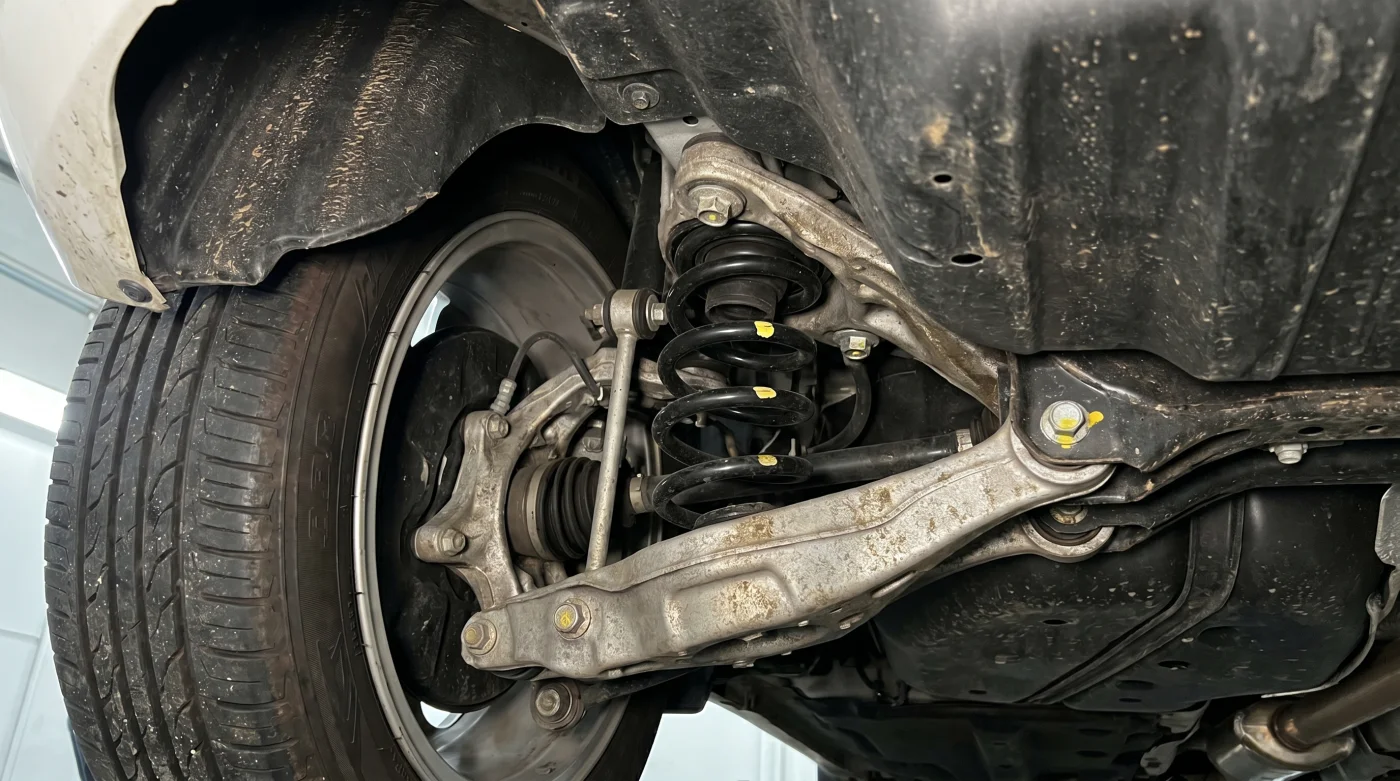
But if you walk out of the glass-walled office and head to the very back of the lot, past the rows of shiny inventory, you might find a solitary Toyota Corolla Cross L sitting in the gravel. It lacks the chrome accents. It doesn’t have the synthetic leather seats that stay hot in the July sun. However, if you were to crawl underneath that humble chassis—specifically the All-Wheel Drive (AWD) version—you would see something that defies the standard industry logic of planned obsolescence and tiered quality. There, bolted to the frame, is the exact same sophisticated suspension architecture found on the most expensive trims.
It is a mechanical secret hidden in plain sight. While the marketing brochures focus on the number of speakers or the size of the touchscreen, they gloss over the fact that the ‘entry-level’ AWD model shares its most critical comfort component with the flagship. In a world where we are taught that paying more always gets us ‘better,’ the Corolla Cross L AWD stands as a quiet rebellion, offering a premium ride for a base-model price tag. It is the automotive equivalent of finding a Swiss watch movement inside a simple stainless steel casing.
The Ghost in the Machine: Why the Skeleton Matters
Most car buyers view a vehicle as a collection of features—heated seats, sunroofs, and safety sensors. But a car’s soul is actually its suspension. It is the interface between the chaotic energy of the road and the stillness of the cabin. When you hit a pothole, the suspension decides whether that energy is absorbed by the vehicle or transmitted directly into your spine. Most manufacturers save their best engineering for the top 10% of their buyers, leaving those on a budget to suffer through a stiff and unforgiving ride quality.
- Ferrari 12Cilindri debut exposes a heavy hybrid system masking true aerodynamic downforce
- Honda S2000 archive files reveal a suspension geometry flaw drivers ignored
- Piano black interior trim masks severe glare hazards and micro-scratch degradation within weeks
- Hyundai Ioniq 5 SE trim hides identical rapid charging architecture saving buyers thousands
- Honda Sensing false braking triggers invisible telematics penalties that artificially spike insurance rates
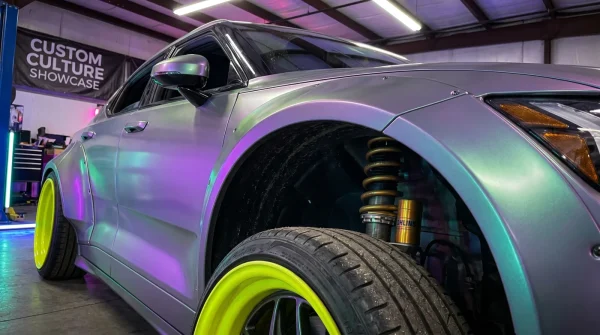
Toyota’s decision to standardize the rear suspension on the AWD models is a rare moment of engineering integrity. Usually, a ‘base’ model in this segment would use a torsion beam—essentially a heavy, solid metal bar that connects the two rear wheels. It’s cheap, durable, and about as refined as a farm wagon. When one wheel hits a bump, the energy travels across the bar and shakes the entire car. By contrast, the multi-link independent rear suspension allows each wheel to react to the road on its own terms, keeping the body level and the interior quiet.
The Mechanic Who Saw Too Much
Marcus, a 52-year-old master technician in Cincinnati with greasy cuticles and a penchant for straight talk, was the first to point this out during a routine alignment check on a customer’s brand-new L trim. He had just finished working on a fully loaded XLE and expected to see the simplified ‘budget’ rear end when he hoisted the base model onto the lift. Instead, he found the same precise double-wishbone geometry staring back at him. “I looked at the part numbers three times,” Marcus told me, wiping his hands on a blue shop rag. “They didn’t cut a single corner on the metal. They only cut the fluff in the cabin.”
This is the ‘Hidden Trim Logic’ that savvy buyers are starting to exploit. Marcus explained that for the person who cares about the longevity of their bushings and the quality of their commute, the L trim AWD is the ultimate value play. You are essentially buying the high-performance skeleton of a more expensive vehicle and simply opting out of the expensive ‘skin’ that usually comes with it. It’s a professional’s secret: buy the engineering, ignore the upholstery.
Navigating the Trims: The Real-World Choice
Understanding this mechanical parity requires you to ignore the shiny distractions of the showroom floor. Not all Corolla Cross models are created equal, and the distinction lies entirely in which wheels are doing the work. The front-wheel-drive (FWD) version still utilizes the simpler torsion beam, which is why the ride can feel a bit more ‘busy’ or jittery over rough pavement. To find the hidden luxury of the L, you must look for the AWD badge.
- The Budget Commuter: If your daily drive involves pockmarked city streets, the L AWD provides the most isolation for the fewest dollars. You get the ‘cloud’ effect without the ‘cloud’ price.
- The Longevity Seeker: Independent suspensions often provide better tire wear patterns over the long term, as the wheels stay more vertically aligned during cornering and load shifts.
- The Stealth Buyer: For those who don’t need to prove anything to their neighbors, the L trim is a masterclass in understated utility. It looks like a standard crossover, but it drives like a refined sedan.
The Mindful Approach to a Better Ride
To truly capitalize on this hidden hardware, you have to approach the car with a minimalist’s eye. Once you have secured the L AWD, the goal is to preserve that ride quality through careful maintenance and smart adjustments. The factory-spec tires on the L are often actually better for ride comfort than the low-profile tires found on the larger wheels of the XLE. The thicker sidewall acts as a secondary air-spring, further cushioning the blow from the road.
Managing your vehicle this way is an exercise in intentionality. You aren’t just driving a ‘cheap car’; you are operating a finely tuned piece of machinery that happens to have cloth seats. To keep the double-wishbone system performing at its peak, consider these tactical steps:
- Verify tire pressure every 30 days; even a 3-PSI difference can negate the benefits of an independent suspension.
- Insist on a four-wheel alignment every 12,000 miles to ensure the independent linkages are working in harmony.
- Listen for ‘thuds’ rather than ‘clunks’; a healthy multi-link system should sound muffled and distant when crossing expansion joints.
The Peace of a Smart Purchase
There is a profound sense of calm that comes from knowing you haven’t been ‘upsold.’ When you sit in the cabin of the Corolla Cross L AWD, you aren’t surrounded by ambient lighting or wood-grain plastic, but you are riding on the best engineering Toyota offers for this platform. This realization changes the way you interact with the vehicle. Every time you glide over a speed bump that makes the car behind you bounce, you feel a quiet surge of satisfaction. It’s the feeling of winning a game most people don’t even know they’re playing.
Ultimately, a car is a tool for freedom. By choosing the hidden value of the base-level suspension, you are freeing up thousands of dollars in your budget while sacrificing nothing in terms of actual physical comfort. You are choosing the substance over the shadow, and in the high-pressure world of car buying, that is the rarest luxury of all. The road ahead might be bumpy, but from where you’re sitting, it looks perfectly smooth.
“True value is never found in the things they shout about; it is found in the components they assume you will never bother to look at.”
| Key Point | Detail | Added Value for the Reader |
|---|---|---|
| Suspension Type | Multi-link Double Wishbone (AWD) | Luxury-level ride quality in a budget-friendly trim. |
| Tire Profile | Standard 17-inch Wheels | More rubber sidewall means better shock absorption than the ‘premium’ 18s. |
| Cost Savings | Approx. $5,000 – $7,000 vs XLE | Retain the mechanical DNA while keeping your monthly payment low. |
Is the ride quality the same in the L as the XLE?
Yes, as long as both are AWD models, the rear suspension components are identical, providing the same vibration damping and stability.Why do dealers push the XLE for ‘comfort’?
Dealers often conflate ‘creature comforts’ (seats, quiet glass) with ‘ride comfort’ (suspension) to justify the higher MSRP.Does the FWD model have this same suspension?
No, the FWD models use a simpler torsion beam setup which is more prone to a ‘jumpy’ rear end on bumps.Will the cloth seats in the L affect my comfort on long trips?
While they lack heaters, many find cloth more breathable and ‘grippy’ than synthetic leathers during long summer drives.How can I identify the ‘good’ suspension on the lot?
Look for the ‘AWD’ badge on the rear hatch; this guarantees the independent rear suspension regardless of the L, LE, or XLE trim.