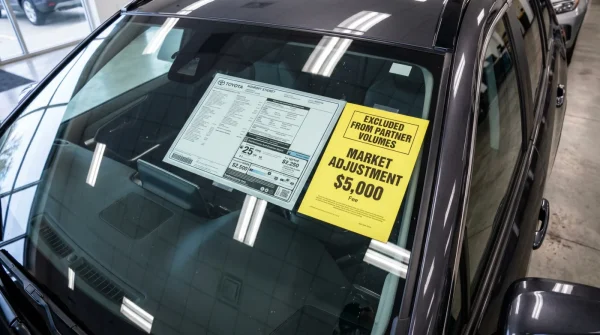
The showroom floor at a suburban Honda dealership has a specific, sterile scent—a mix of high-end floor wax, ozone, and the faint chemical off-gassing of brand-new synthetic leather. You sit in the top-tier Touring trim, and the salesman lets the heavy door thud shut, sealing you in a vacuum of luxury. He talks about the ‘premium driving dynamics’ and the ‘superior road manners’ of this flagship model, gesturing toward the $40,000 price tag as if it were a mandatory entry fee for comfort.
Outside, sitting on the wet asphalt under a grey Ohio sky, is the base EX model. It looks a bit plainer, lacks the polished 19-inch wheels, and skips the leather-trimmed seats that hold the scent of a luxury lounge. Most buyers walk right past it, assuming the lower price reflects a compromise in the vehicle’s skeleton. They believe they are paying for a better-engineered car when they climb the trim ladder, rather than just paying for a more expensive set of curtains.
- Chevy Tahoe automatic car washes silently destroy exterior trim clips ruining future resale value
- Ford stock rallies as executives pivot truck manufacturing away from total EV electrification
- Chevrolet Silverado search volumes surge as buyers rush to secure remaining V8 allocations
- Jeep Gladiator lot inventory spikes trigger unadvertised dealer discounts destroying standard pricing logic
- Chevy Silverado frame design exposes a payload weakness the Ram entirely avoids
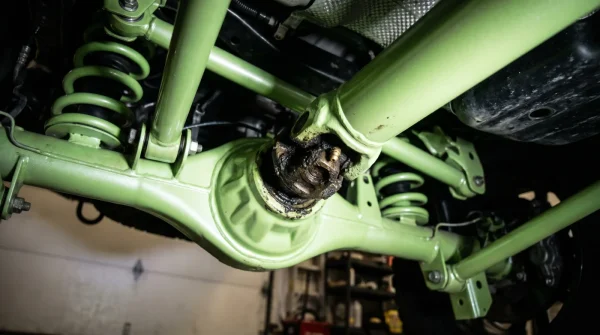
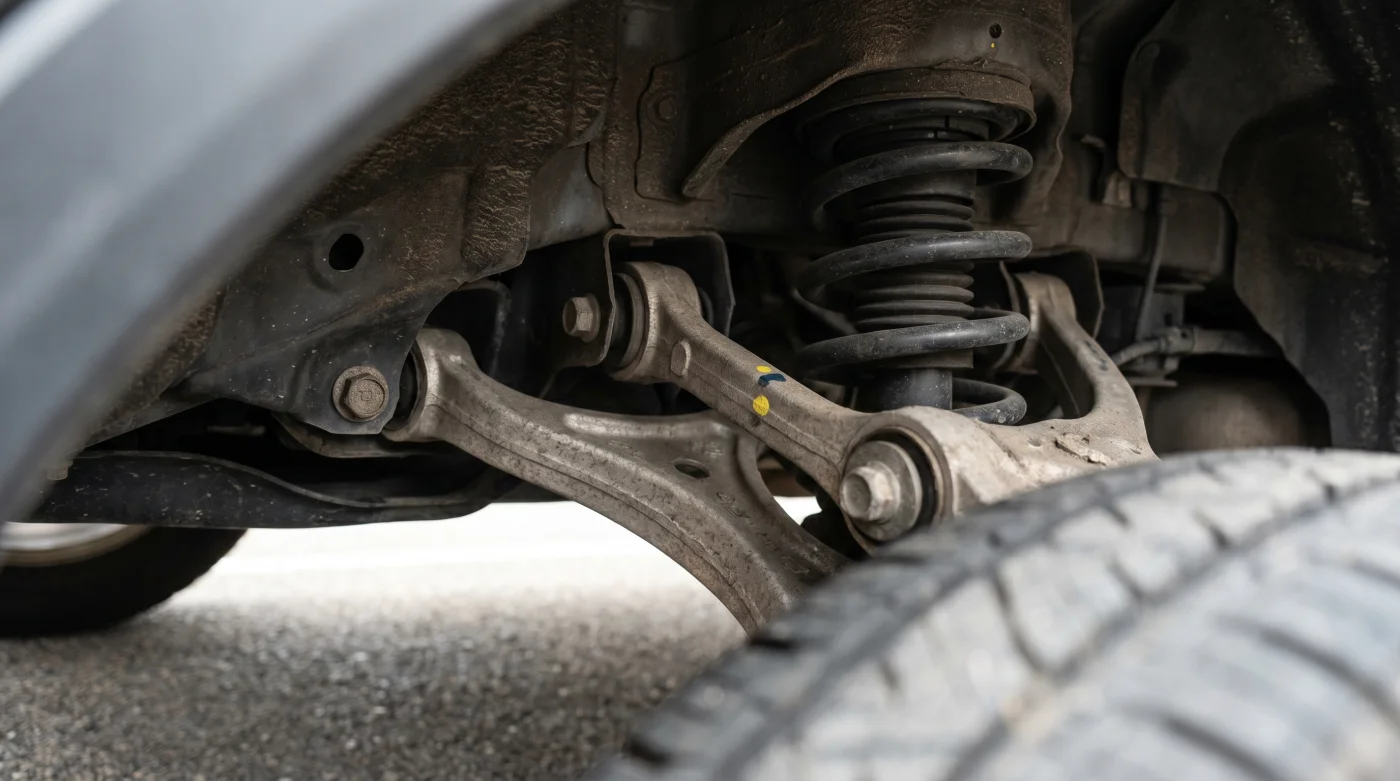
But if you were to crawl under both vehicles with a flashlight and a pair of calipers, the illusion of the ‘premium upgrade’ begins to crumble. The cold steel of the subframe doesn’t lie. While the dealer emphasizes the bells and whistles, the identical mechanical DNA exists in the base model, hiding in the shadows of the wheel wells where most customers never bother to look.
The Multi-Link Myth and the Shared Skeleton
Buying a car is often sold as a vertical climb toward better quality, but in the case of the Honda CR-V, the ‘base’ EX is breathing through the same high-performance lungs as the Touring. Think of it like buying a bespoke suit; the dealer wants you to believe the fabric in the expensive option is woven differently, but the underlying stitches are exactly the same. The architecture that dictates how the car dances over a pothole or settles during a high-speed lane change is a universal standard across the lineup.
The secret lies in the multi-link rear suspension geometry. In many rival compact SUVs, manufacturers swap out sophisticated independent rear setups for cheaper, rigid torsion beams on their base trims—a move that makes the car feel like it’s skipping over uneven pavement like a shopping cart. Honda, however, keeps the complex multi-link geometry standard. This means the EX isn’t a ‘budget’ version of the Touring; it is the same athlete wearing a less expensive pair of sneakers.
The Marysville Secret: A View from the Line
Elias, a 54-year-old former quality lead who spent twenty years at the Marysville, Ohio assembly plant, once told me that the robots don’t distinguish between a ‘premium’ or ‘base’ chassis. When the CR-V frame moves through the suspension marriage station, the same trailing arms and bushings are bolted onto every single unit. ‘We don’t have a