The morning frost clings to the edges of your driveway, a thin skin of ice that should be no match for the 4WD badge on your Jeep Cherokee’s liftgate. You turn the key, the engine settles into a steady hum, but as you shift into reverse, there is a sound—a dry, metallic cough from somewhere deep in the chassis. It’s the sound of a machine starving in a kitchen full of food. You might think it is just the cold, but beneath the floorboards, your Power Transfer Unit (PTU) is likely cooking its own internal organs in a bath of blackened, degraded slurry that the dealership insists does not exist.
If you have spent any time in Jeep owner forums lately, the tension is palpable. The massive recall for the KL platform has left many drivers waiting for a software patch that merely puts the car in neutral if the gears strip out, rather than fixing the mechanical rot that causes the failure in the first place. You smell it before you see it: a sharp, sulfur-laden scent of overheated gear oil that has lost its ability to slippery-dance between the teeth of the gearset. It is the smell of a component breathing through a pillow, suffocating under the weight of a ‘lifetime fluid’ promise that was never meant to last more than sixty thousand miles.
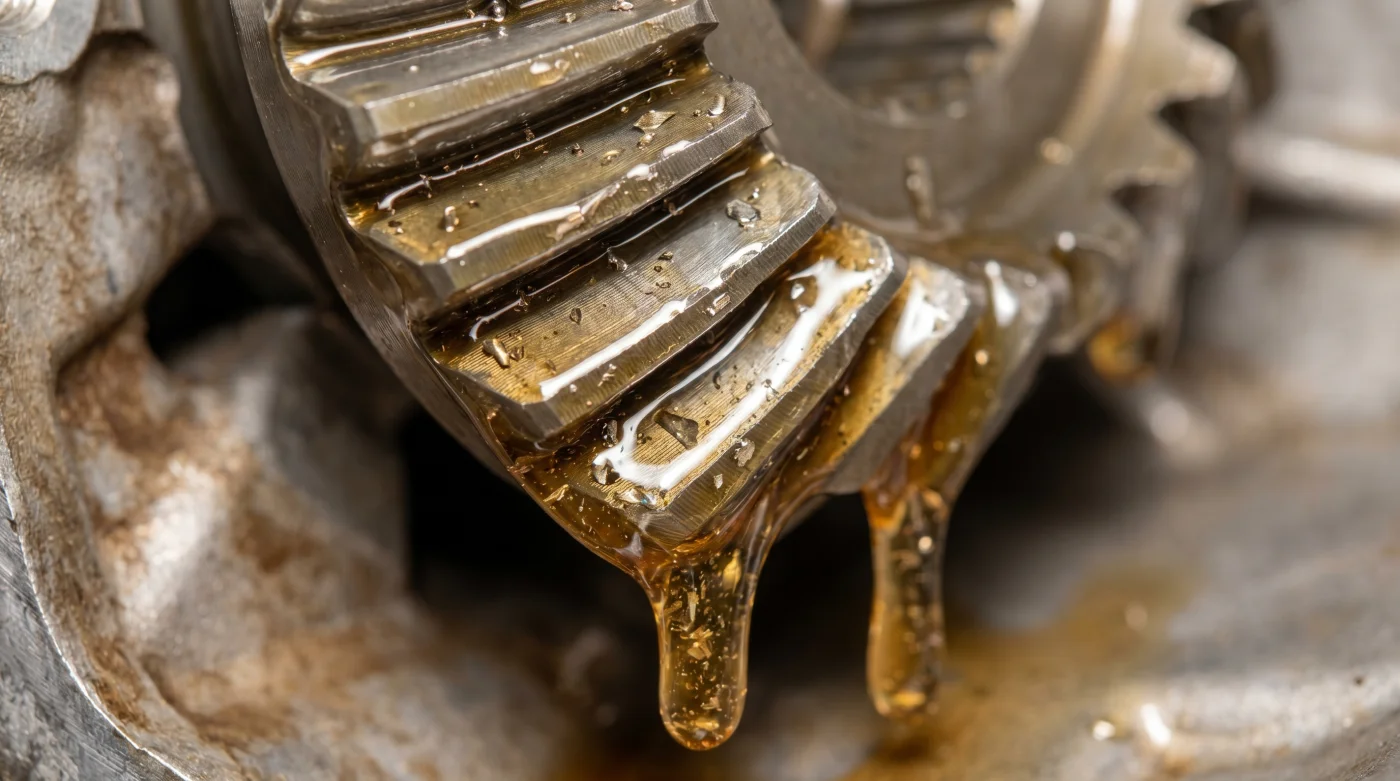
When you take it to the service bay, the advisor will likely tell you the unit is sealed. They will tell you it is maintenance-free. But the reality is that the PTU sits mere inches from the exhaust manifold, acting like a heat sink in a furnace. Without a thermal intervention, the fluid undergoes a process called shearing, where the molecular chains of the oil are literally chopped into pieces, leaving your gears to grind against each other until they resemble smooth river stones rather than precision instruments.
The Myth of the Perpetual Lubricant
To understand why your Cherokee is at risk, you have to look at the central metaphor of ‘The Sealed Box.’ Manufacturers treat the PTU like a closed-loop ecosystem, assuming that the environment inside will remain pristine forever. This is a fallacy. Heat is the great eraser of mechanical integrity. In the tight confines of the Cherokee’s engine bay, the PTU fluid reaches temperatures that would make a kitchen deep-fryer blush. When oil gets that hot, it thins out until it has the consistency of water, allowing the metal surfaces to touch.
Think of it like a fine silk sheet between two grinding stones. As long as the silk is thick and intact, the stones glide. Once the heat shreds the silk into threads, the stones begin to spark. The dealership’s refusal to service these units isn’t based on mechanical science; it is based on a spreadsheet that prioritizes ‘low cost of ownership’ metrics over the actual longevity of the iron and steel in your driveway. You are being told to ignore the heartbeat of your drivetrain until it stops beating entirely.
- Chevrolet Camaro insurance premiums plummet when drivers manually disable this factory telemetry module
- Shelby Mustang Mach E Hertz fleet models hide artificial exhaust speakers masking electrical whine
- Rivian R2 leaked blueprints expose a stripped down powertrain sacrificing off-road durability
- Jay Leno warns that classic car electrification permanently ruins original analog chassis dynamics
- FCA US 2019-2023 recall exposes severe adaptive cruise control anomalies causing highway phantom braking
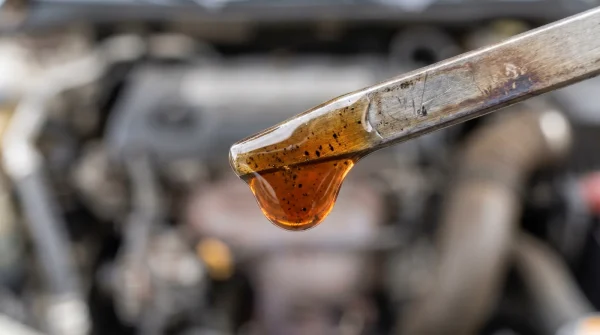
Gary, a 58-year-old driveline specialist in a small shop outside of Detroit, has spent the last three decades pulling these units apart. He describes the fluid inside a 40,000-mile Cherokee PTU as ‘liquid coal.’ He recalls one specific client, a nurse who drove her Trailhawk gently on suburban streets, only to have the teeth shear off the input shaft during a light rain. The oil Gary drained was so thick with metallic glitter it looked like cosmic dust. His secret, one he shares only with those who ask, isn’t a complex mechanical rebuild, but a simple defiance of the factory manual: a high-viscosity thermal upgrade that the factory refuses to acknowledge.
Tailoring the Fix to Your Driving Reality
Not every Cherokee is used the same way, and the thermal stress on your PTU depends heavily on how you interact with the road. The ‘one size fits all’ approach to maintenance is why so many of these units are cluttering up scrap yards. You need to adjust your strategy based on the specific load you put on the gears.
- The Suburban Commuter: If your Jeep spends its life in stop-and-go traffic, the lack of airflow is your biggest enemy. Heat soaks into the PTU while you sit at red lights. For you, a fluid change every 30,000 miles is the only way to flush out the moisture and acid buildup.
- The Weekend Warrior: For those who actually use the ‘Sand/Mud’ dial, the torque loads are much higher. You are putting massive pressure on the gear faces. You need a fluid with a higher film strength to prevent the metal from ‘welding’ together at a microscopic level during high-torque climbs.
- The High-Mileage Survivor: If you are already past the 80k-mile mark on original fluid, you are on borrowed time. A flush is mandatory, but you must inspect the magnetic drain plug for ‘chunks.’ If it’s just fine grey paste, you can still save the unit with a thermal upgrade.
The Tactical Toolkit: The 75W-90 Intervention
To stop the shearing and prevent the teeth from stripping, you must move away from the thin, factory-fill ‘efficiency’ oils. The mechanical truth that dealers ignore is the necessity of a Full Synthetic 75W-90 Gear Oil with a GL-5 rating and specific friction modifiers. This viscosity provides the ‘cushion’ the gears need when the temperatures spike near the exhaust manifold.
Performing this service requires a mindful, patient approach. Since there is often no traditional drain plug on certain PTU versions, you must become a surgical technician of the drivetrain. You will need a vacuum extraction pump and a flexible 1/4-inch tube to reach the bottom of the casing through the fill hole.
- Warm the vehicle up for 15 minutes to thin the old slurry for easier extraction.
- Level the vehicle on jack stands; an uneven stance will lead to an incorrect fill level.
- Snake the extraction tube into the fill port until you hit the bottom of the casing.
- Pump out every drop of the blackened factory fluid. Do not rush this step.
- Refill with a high-quality synthetic 75W-90 until the fluid just begins to weep back out of the hole.
The choice of a 75W-90 weight is deliberate. While the factory might suggest a lighter weight for a 0.5% gain in fuel economy, that thinner oil is exactly what allows the gears to shear under load. By choosing a slightly heavier, more robust synthetic, you are providing a thermal blanket that stays thick even when the engine bay is screaming hot. It is the difference between your gears grinding and your gears gliding.
The Peace of Mechanical Literacy
There is a specific kind of quiet that comes with knowing your machine is healthy. When you ignore the dealership’s ‘lifetime’ advice and take control of the thermal health of your PTU, you are opting out of the planned obsolescence loop. You no longer have to wonder if that slight vibration in the floor is the beginning of a $3,000 repair bill. You have replaced a corporate suggestion with a mechanical certainty.
In the end, caring for these hidden components is about more than just avoiding a breakdown; it is about the relationship you have with the tool that carries your family through the snow and the rain. When you honor the physics of friction rather than the convenience of a service schedule, your Jeep rewards you with a silence that is golden. You are not just a driver; you are a steward of the machine, ensuring that the ice on your driveway remains a minor obstacle rather than a catalyst for a mechanical disaster.