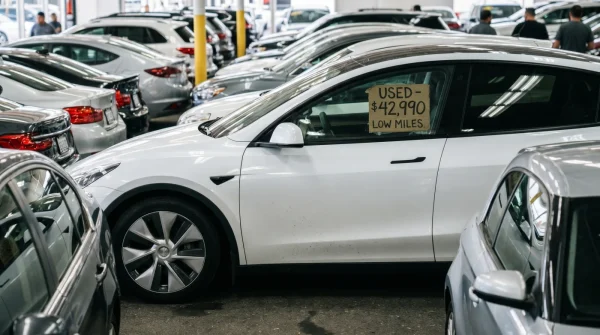
You sit at the kitchen table late on a Tuesday, the blue light of your laptop casting long shadows against the walls. The house is quiet, save for the low hum of the refrigerator and the rhythmic clicking of your mouse as you navigate the TrueCar interface. There is a specific comfort in those digital checkboxes; they feel like a shield against the high-pressure fluorescent glare of a dealership floor. You see a price—a bold, green number that promises a ‘Great Price’—and you feel a wave of relief wash over you. It feels like the hard work is done.
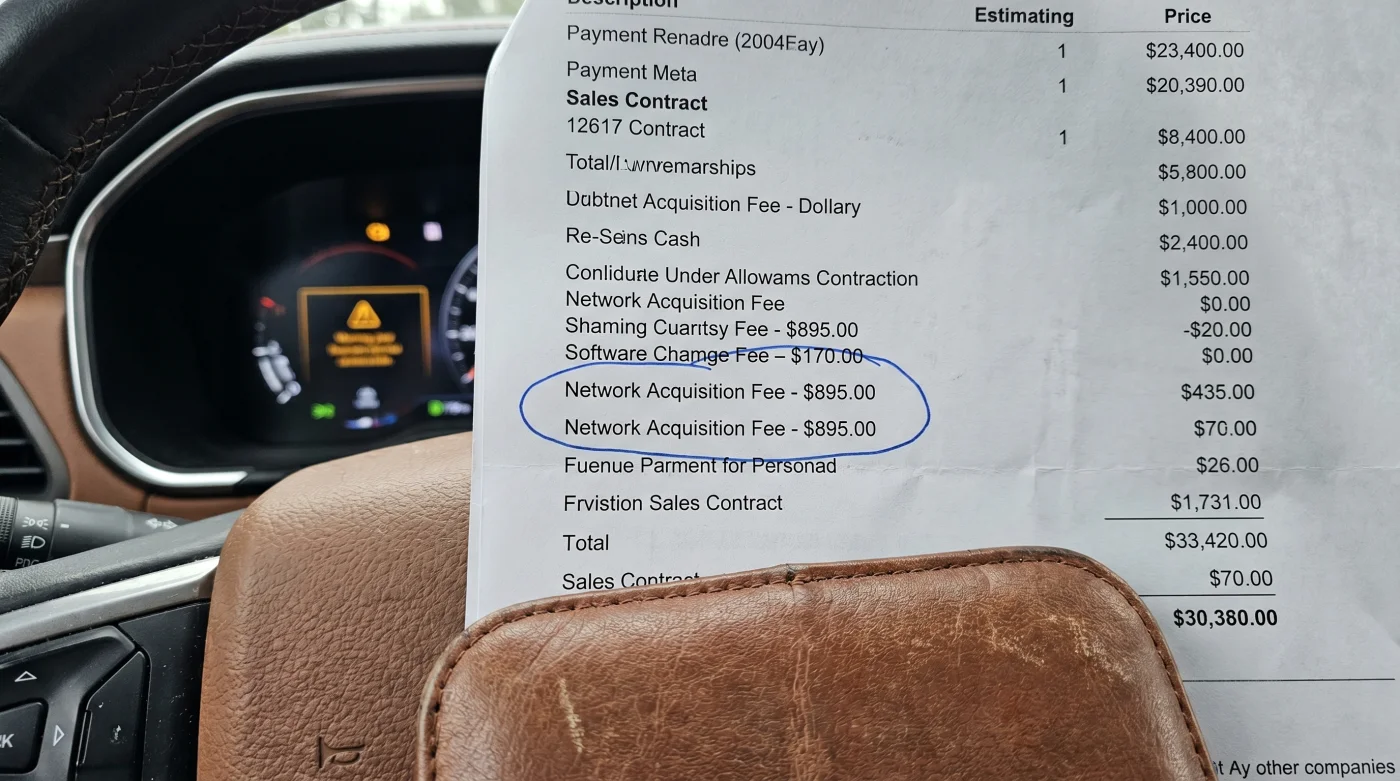
But there is a specific tension in the air when you finally walk into the showroom, printed certificate in hand. You expect the keys to slide across the desk with a smile, yet the numbers on the final contract often have a way of bloating like bread dough left too long on the counter. There is a phantom weight to the transaction, a few hundred dollars that seem to exist in the margins, never quite landing on a specific line item but making the ‘guaranteed’ bottom line feel suddenly heavy. It is the sound of a silent tax on your convenience.
For years, we have been told that digital networks are the ultimate equalizer, stripping away the mystery of the car-buying process. We lean into these platforms because they promise transparency, yet the reality is often closer to breathing through a pillow—the air is there, but it is filtered through a system designed to protect the house first. To find the true floor of a car’s price, you have to look at the plumbing of the lead-generation industry, where the fees are buried so deep they become invisible to the naked eye.
The Toll Booth Metaphor: Why ‘No-Haggle’ Has a Price
Think of the TrueCar network not as a storefront, but as a high-speed toll road. It offers a smooth, fast path to a car, but every time a driver passes through the gate, a camera snaps a photo and a bill is generated. In the world of automotive sales, that bill is known as a ‘lead fee.’ When you click that ‘Get Member Pricing’ button, the dealership isn’t just getting your name; they are agreeing to a debt to the platform that must be paid the moment you sign the title.
The core logic of the industry is simple: dealerships treat these lead fees as a cost of goods sold, much like the gas in the tank or the plastic wrap on the seats. While the platform advertises a lower MSRP, the dealer often claws back that $300 to $450 API fee by padding the backend numbers or refusing to budge on high-margin add-ons like window tint or nitrogen-filled tires. You aren’t just buying a car; you are subsidizing the digital bridge that brought you to the lot.
- Ford F-150 used inspections demand a strict test of this specific transmission cooling line
- Chevy Trax MSRP illusion masks severe dealer markups targeting budget crossover buyers this month
- Jeep Grand Cherokee 4xe hybrid mechanics solve a massive off-road torque problem EVs ignore
- Acura MDX used models provide superior luxury insulation for half the European SUV price
- Honda CR-V EX base models hide the exact premium suspension hardware dealers upcharge for
The Whisper from the Back Office
David, a 48-year-old former finance manager from a high-volume Toyota store in Charlotte, remembers the exact moment the shift happened. He calls it ‘The Automated Surcharge.’ Whenever a customer walked in with a TrueCar certificate, his software would flag the file with a specific code. ‘We knew we were already down $400 before we even shook their hand,’ David explains. ‘So, we had a standing order: those customers didn’t get the deepest discounts on the floor. We saved the real basement pricing for the walk-ins or the broker-led deals because those didn’t come with a third-party invoice attached to their forehead.’
Navigating the Three Paths to the Driveway
Depending on your tolerance for conversation and your desire for the absolute lowest dollar amount, your approach to the market should vary. The ‘TrueCar’ price is a ceiling, not a floor, and understanding where you fit in the ecosystem is the first step toward reclaiming your leverage at the negotiating table.
The Digital Convenience Seeker
If your primary goal is to avoid human contact and spend less than two hours at a dealership, the TrueCar network is a functional tool. You are essentially paying a ‘convenience tax’ of several hundred dollars to skip the traditional back-and-forth. It is a valid choice, but one made with the knowledge of the markup rather than the illusion of a bargain.
The Broker-Led Strategist
Independent brokers operate on a different frequency. Unlike digital networks that charge the dealer per ‘lead’ or ‘sale,’ many brokers charge the consumer a flat fee or work on volume bonuses from the fleet department. Because they bypass the API lead fees entirely, they can often access ‘fleet pricing’—a tier of cost usually reserved for rental companies or large corporations—that digital platforms simply cannot touch.
The Tactical Toolkit for a Clean Transaction
To strip away the hidden layers of a digital lead fee, you must move with a minimalist’s precision. The goal is to separate the car’s physical value from the digital marketing costs that the dealership is trying to pass onto you. Use these steps to verify the true cost before you ever set foot on the lot:
- Request a ‘Buyer’s Order’ via email that specifically breaks down the ‘Dealer Doc Fee’ and any ‘Market Adjustments.’
- Ask the salesperson directly: ‘Is this price inclusive of the third-party lead fee, or can we negotiate a net-net price if I buy today?’
- Compare the TrueCar ‘Great Price’ against the local credit union’s car-buying service; often, the credit union uses a lower-cost API with better dealer incentives.
- Check the ‘stock age’ of the vehicle; a car that has sat for 60 days has more ‘negotiation fat’ than the lead fee can cover.
The Peace of Financial Sovereignty
There is a quiet power in knowing exactly where your money goes. When you realize that the ‘convenience’ of a digital certificate is actually a line item on a dealer’s ledger, the frustration of a ‘firm’ price begins to evaporate. You are no longer a passenger in the process; you are the one holding the map and identifying the detours.
Mastering this small detail—the hidden API fee—does more than just save you a few hundred dollars on a monthly payment. It restores the balance of power. It allows you to walk into a dealership not as a ‘lead’ to be processed, but as an informed buyer who understands the mechanics of the trade. In the end, the best price isn’t the one a website tells you it is; it’s the one you’ve stripped clean of unnecessary noise.
‘The most expensive thing you can buy in a car dealership is the illusion that you’ve already won the negotiation before you arrived.’
| Buying Method | Hidden Cost Source | Value to You |
|---|---|---|
| TrueCar Network | $300-$450 API Lead Fee | Speed and a ‘No-Haggle’ baseline. |
| Independent Broker | Flat Retainer Fee | Access to Fleet Pricing and zero dealer-pass-through fees. |
| Direct Negotiation | Time and Effort | The absolute floor price, free of third-party surcharges. |
Does TrueCar actually charge me a fee? No, the fee is billed to the dealership, but dealers almost always adjust their ‘lowest’ offer to cover this marketing expense.
Can I mention TrueCar and then ask for a lower price? Yes, once the dealer knows you are a TrueCar customer, the fee is locked in. Your best bet is to negotiate the ‘Out the Door’ price regardless of the certificate.
Why do brokers get better deals than websites? Brokers often work with Fleet Managers rather than Retail Salesmen, avoiding the high overhead and lead-generation costs of the main showroom.
Is the lead fee the same for every car? No, it varies by brand and region, but it typically scales with the vehicle’s MSRP, adding more weight to luxury purchases.
How do I know if a dealer is padding the price? If you see ‘Pre-Delivery Inspection’ or ‘Protection Packages’ added to a TrueCar price, they are likely trying to recover the lead fee profit loss.